

NABH Accredited

Pilonidal Sinus Treatment in Gurgaon

20+
Expert Doctors Available
50+
State-of-the-Art Facilities

Book Doctor Appointment
cost calculator
Anup Soni - the voice of Pristyn Care pointing to download pristyncare mobile app
i
i
i
Call Us

To confirm your details, please enter OTP sent to you on *

i

Book Doctor Appointment
cost calculator
Anup Soni - the voice of Pristyn Care pointing to download pristyncare mobile app
i
i
i
Call Us

To confirm your details, please enter OTP sent to you on *

i
20+
Expert Doctors Available
50+
State-of-the-Art Facilities

When Should You See a Doctor?

You should consult a doctor if you experience:

  • Persistent pain or swelling near the tailbone.
  • Discharge of pus or blood from the sinus opening.
  • Foul odor from the affected area.
  • Recurrent infections or formation of abscesses.
  • Difficulty sitting or walking due to pain.
  • Fever or redness around the sinus, indicating infection.

Early medical consultation helps prevent complications and ensures better outcomes with minimally invasive treatments.


You should consult a doctor if you experience:

  • Persistent pain or swelling near the tailbone.
  • Discharge of pus or blood from the sinus opening.
  • Foul odor from the affected area.
  • Recurrent infections or formation of abscesses.
  • Difficulty sitting or walking due to pain.
  • Fever or redness around the sinus, indicating infection.

Early medical consultation helps prevent complications and ensures better outcomes with minimally invasive treatments.
Pilonidal sinus Causes
  • Loose hair piercing the skin and getting trapped beneath.
  • Long hours of sitting put pressure on the tailbone area, leading to sinus formation.
  • Accumulation of sweat, dirt, and dead skin cells increases the risk of infection.
  • Excess body weight creates deeper creases, making it easier for hair and debris to get trapped.
  • Genetic predisposition can play a role.
  • Repeated friction or minor injuries in the lower back region can initiate sinus formation.
  • Swelling and tenderness near the tailbone.
  • Redness and warmth around the affected area.
  • Pain that worsens when sitting or standing for long.
  • Pus or blood discharge with an unpleasant smell.
  • Formation of multiple sinus openings.
  • Fever and fatigue in severe infections.
Medical diagnosis procedure

How is Pilonidal Sinus Diagnosed?

Diagnosis is usually straightforward and based on clinical examination. A doctor will:

  • Inspect the lower back area for visible sinus openings, swelling, and discharge.
  • Check for tenderness, redness, or pus collection.
  • Order an ultrasound scan to assess abscess formation or recurrent tracts.
  • In rare cases, recommend an MRI scan if multiple sinus tracts are suspected.

The diagnosis helps determine whether conservative management or surgical treatment is needed.

Diagnosis is usually straightforward and based on clinical examination. A doctor will:

  • Inspect the lower back area for visible sinus openings, swelling, and discharge.
  • Check for tenderness, redness, or pus collection.
  • Order an ultrasound scan to assess abscess formation or recurrent tracts.
  • In rare cases, recommend an MRI scan if multiple sinus tracts are suspected.

The diagnosis helps determine whether conservative management or surgical treatment is needed.

Medical diagnosis procedure for piles treatment

Advanced Treatment Options for Pilonidal Sinus

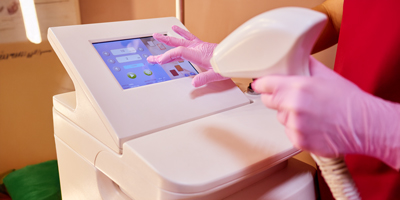
At Pristyn Care Sheetla, advanced laser-assisted procedures are preferred over traditional open surgeries. Common treatment options include:

  • Incision and Drainage: Used for acute abscess relief. However, this is temporary and does not prevent recurrence.
  • Excision Surgery: The sinus tract is surgically removed, but healing time is longer and there is more post-operative discomfort.
  • Laser Pilonidal Sinus Treatment: A minimally invasive technique where a laser fiber is used to destroy the sinus tract and seal it. Benefits include:
  • Smaller incision with minimal scarring
  • Less pain and bleeding
  • Faster recovery with minimal hospital stay
  • Very low recurrence rate
Read More

At Pristyn Care Sheetla, advanced laser-assisted procedures are preferred over traditional open surgeries. Common treatment options include:

  • Incision and Drainage: Used for acute abscess relief. However, this is temporary and does not prevent recurrence.
  • Excision Surgery: The sinus tract is surgically removed, but healing time is longer and there is more post-operative discomfort.
  • Laser Pilonidal Sinus Treatment: A minimally invasive technique where a laser fiber is used to destroy the sinus tract and seal it. Benefits include:
  • Smaller incision with minimal scarring
  • Less pain and bleeding
  • Faster recovery with minimal hospital stay
  • Very low recurrence rate
Read More
Procedure for Piles Laser Surgery

Recovery Time

Recovery after laser pilonidal sinus treatment is relatively quick. Most patients can return to routine activities within 3 to 5 days. Complete healing may take 2 to 3 weeks depending on the complexity of the sinus and overall health of the patient. Traditional surgery may require 4 to 6 weeks of recovery and more wound care.

What to Expect: Before, During & After Procedure

Before Surgery:
Doctors perform diagnostic tests, assess overall health, and explain the surgical process. Patients are advised on hygiene practices and fasting if anesthesia is required.

During Surgery:
The procedure usually takes 30 to 60 minutes under local or general anesthesia. The sinus tract is carefully removed or sealed using a laser device.

After Surgery:
Patients can typically go home the same day or after an overnight observation. Pain and discomfort are minimal, and wound dressing is required for a short duration.

Recovery Timeline & Post-Treatment Care

  • First Week: Mild pain and dressing changes. Walking and light activities are allowed.
  • Weeks 2–3: Noticeable healing of the wound. Patients can resume work, provided heavy physical exertion is avoided.
  • Weeks 4–6: Full recovery with minimal scarring. Patients regain complete mobility.

Post-treatment care tips include:

  • Maintaining personal hygiene and keeping the area dry.
  • Avoiding prolonged sitting for the first few days.
  • Following the prescribed antibiotics and pain relievers.
  • Regular follow-up visits to monitor healing.
  • Shaving or laser hair removal to prevent recurrence.

Factors that Affect the Treatment Cost for Pilonidal Sinus

Proctology Consultation Charges

Consultation fees vary depending on the expertise of the proctologist.

Diagnostic Tests

Tests like ultrasound or MRI may be needed in complex cases, affecting the cost.

Type of Infection and Medication Needed

Severe infections may require antibiotics or additional treatments.

Severity and Recurrence of Condition

Multiple sinus tracts or recurrent infections can increase surgical complexity and cost.

Cost of Laser Pilonidal Sinus Treatment 

  • Cost depends on hospital and surgeon’s expertise.
  • Laser surgery may be slightly higher priced than traditional methods but ensures faster recovery.
  • Includes anesthesia, hospital stay, and medication.
  • Insurance coverage may reduce expenses.

Follow-up Appointments 

  • Regular monitoring of wound healing.
  • Hair removal guidance to prevent recurrence.
  • Dressing changes if required.
  • Early detection of reinfection.

Cost of Diagnostic Tests Before Pilonidal Sinus Treatment 

  • Ultrasound: ₹1,000 – ₹2,000
  • MRI (if required): ₹5,000 – ₹8,000
  • Blood tests: ₹500 – ₹2,000
  • Swab culture (in case of infection): ₹1,000 – ₹2,500

How to Prevent Pilonidal Sinus from Coming Back

  • Keep the buttock area clean and dry.
  • Remove hair regularly to reduce the risk of ingrown hair.
  • Avoid sitting for long durations; take breaks to stand and walk.
  • Maintain a healthy weight to reduce friction and sweating.
  • Wear breathable clothing to minimize moisture.
  • Follow your doctor’s advice on lifestyle modifications after treatmen

Call Us for Best Quote

Get the best Cost Estimate

Why Pristyn Care Elantis for Pilonidal Sinus Surgery?

Top-Notch Specialists

Top-Notch Specialists

Centre of Excellence in Proctology

Centre of Excellence in Proctology

High Success Rate

High Success Rate

desktop banner mobile banner

Top Insurance Providers you can avail at Pristyn care sheetla

Insurance Providers FREE Quotes
HDFC ERGO General Insurance Co. Ltd. HDFC ERGO General Insurance Co. Ltd.
Bajaj Allianz General Insurance Co. Ltd Bajaj Allianz General Insurance Co. Ltd
Aditya Birla Health Insurance Co. ltd. Aditya Birla Health Insurance Co. ltd.

Frequently Asked Questions (FAQs)

Is pilonidal sinus curable with home remedies?

No, home remedies can only reduce discomfort temporarily. Definitive treatment usually requires surgery.

Which is the best treatment for pilonidal sinus?

Laser treatment is considered the best due to minimal recurrence, faster recovery, and less post-operative pain.

How painful is pilonidal sinus surgery?

Laser treatment is minimally painful. Pain is well managed with medications, and most patients recover quickly.

Can pilonidal sinus recur after surgery?

Yes, recurrence is possible, especially if proper hygiene and hair removal are not maintained. Laser surgery reduces recurrence chances significantly.

Is pilonidal sinus treatment covered by insurance?

Yes, most health insurance policies cover pilonidal sinus surgery, especially if it is medically necessary. Coverage may vary by policy.

phone icon in white color

Call Us

Book Appointment